


A branding project becomes easier to estimate when the business can explain what needs to change. A new company may need a complete identity. An established team may have a suitable logo but inconsistent proposals, social materials and website pages.
For a business in Montenegro working with local and international audiences, the first step is to define those needs. Hipex is registered in Montenegro, with teams working in Podgorica, Istanbul and Iran, and a focus on finance and technology businesses.
Decide whether you need a new identity or a better system
Gather the materials currently in use: logo files, a proposal, social posts, a website page and any printed items. Identify what is inconsistent and what already works.
If the offer and audience are unclear, address positioning before discussing colours. If the direction is established but everyday materials drift apart, clearer guidelines and templates may be the more useful assignment. A full rebrand should follow a reason rather than a preference for something new.
Write down the business decisions behind the design
Describe who the business serves, which services matter most and what a prospective client should understand. Include relevant evidence, such as existing customer questions and examples of work, rather than unsupported claims of being the best.
Our brand strategy and design guide explains those early decisions. The brief should also identify the people responsible for making and approving them.

Include the languages and applications you actually use
List the languages needed for the website, presentations and other materials. Check representative text during development so the typefaces and layouts work beyond a single English headline.
Prioritise real applications: a sales presentation, a service-page layout, an event banner or reusable social templates. The list depends on the business; packaging, video or extensive print production should be included only where required.
Agree what the project includes
- Positioning and message work included in the brief.
- Logo development or refinement, where needed.
- Colour and typography guidance for the agreed media.
- The applications and templates to be delivered.
- Review stages, decision owners and file-handover requirements.
Clarify whether website development, copywriting, photography and ongoing production belong in the same scope or a separate phase. This prevents a logo assignment from becoming an undefined request to rebuild every customer touchpoint.
Review the identity through everyday use
Look at materials together and at realistic sizes. Check whether a logo works on a small profile image, a heading remains readable and templates accommodate actual content. Evaluate the system against the agreed audience and use cases, not only the presentation mockups.
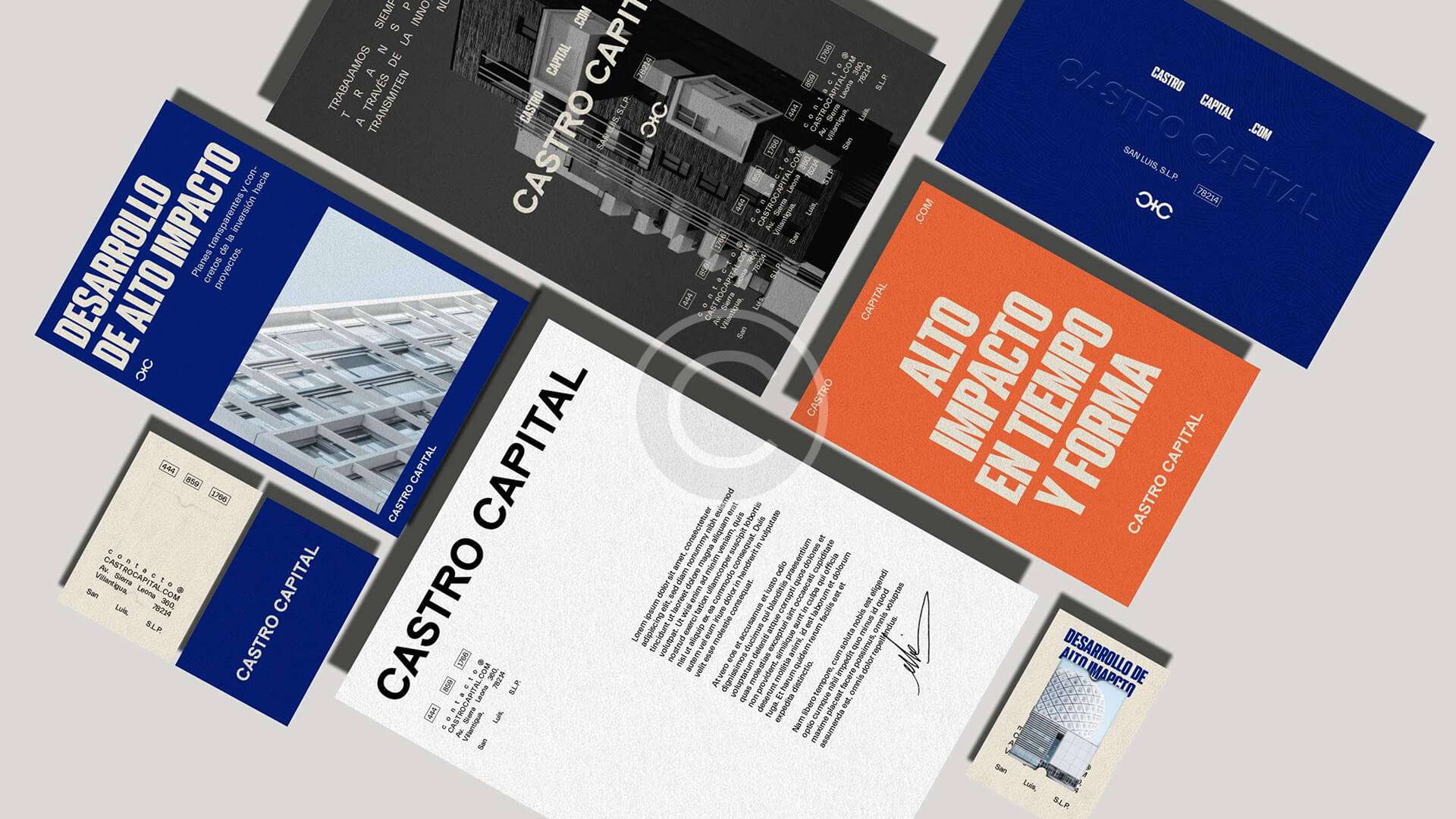
Hipex’s branding and creative portfolio shows different identity applications. Portfolio images demonstrate design work; commercial outcomes require separate evidence.
Plan the rollout
Choose which materials need updating first and who maintains the approved files. Keep a clear current version so old logos and colour choices do not return through forgotten attachments.
Explore our branding service or share your current materials and priorities. We can define an identity project or a focused improvement around the work your team needs.

1 Comment