


A logo cannot answer every question about a business. Before choosing its shape or colour, you need to know who the business serves, what it offers and why a customer should choose it. Those decisions give designers a useful brief. Without them, feedback often becomes a discussion about personal taste.
Brand strategy and design work best as connected stages. Strategy defines the meaning you want to communicate; design makes that meaning recognisable across your website, presentations, social media and other materials. Here is a practical way to prepare both.
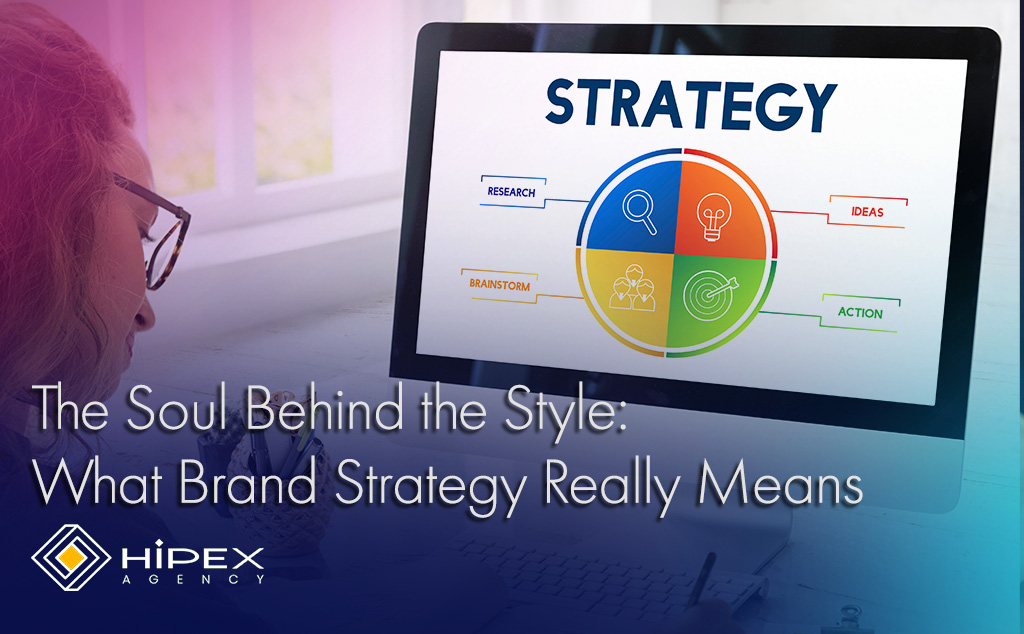
Start with an audience and a real buying decision
Describe the people who actually choose your service. A company buying technical support has different questions from a visitor choosing a consumer product. Identify the decision maker, the problem they need to solve, the alternatives they consider and the information they need before contacting you.
Use customer conversations, enquiries and sales questions where available. If you are launching a business, label assumptions clearly and plan to test them. A detailed fictional persona is less useful than knowing that buyers repeatedly ask about delivery time, support or the scope of work.
Write a positioning statement before a design brief
A useful starting sentence is: “We help [audience] achieve [outcome] through [service or approach].” Then explain what makes the offer credible. That may be a specialist capability, a defined process or relevant work you can show. Avoid claims such as “the best” unless you can substantiate them.
For Hipex, the service range includes brand identity, graphic design, social media, websites, applications and DevOps. A brief for one of these services should name its intended buyer and concrete deliverables rather than asking one visual to explain the entire business.
Turn the strategy into design requirements
- Message: What should someone understand first, and what action should they take?
- Tone: Should the communication feel technical, approachable, formal or expressive? Explain the reason.
- Applications: List the places where the identity will appear, including small screens and documents.
- Constraints: Specify languages, existing assets, accessibility needs and production requirements.
- Approval: Identify who will approve the work and what criteria they will use.
These choices guide typography, colour, layout, imagery and logo development. For a website, they should also inform the page structure and calls to action. Our guide to planning a business website explains how to turn the same brief into useful pages.
Judge an identity through its applications
Do not approve a logo only because it looks good in a large presentation. Review it at the size of a website header or profile icon. Check that text stays readable, colours work on light and dark backgrounds, and the identity can be applied consistently by the people who will use it.
Our Qasedan Art Gallery identity project shows identity applications including a wall logo and catalogues. The HEKHAL logo project offers another example from a construction business. These are references for visual decisions, rather than evidence of a specific sales result.
Agree on the handover
A useful handover includes appropriate logo files, colour values, type guidance and examples of approved layouts. Agree on editable templates and font or image licensing where needed. The exact package depends on the project; a small business launch and a larger identity rollout do not need identical deliverables.
Keep a short decision record alongside the assets. Explaining why a layout or colour was chosen helps future contributors maintain the identity without having to repeat the original discussions.
When should you revisit the brand?
Review the strategy when your audience, offer or market changes, or when customers consistently misunderstand what you do. Inconsistent visuals may call for clearer guidelines rather than a complete redesign. Check the cause before replacing everything.
If you need help connecting the brief with the finished identity, explore Hipex’s branding services or discuss your project with our team. Bring your current materials and the questions your customers ask; they are a useful starting point.


1 Comment